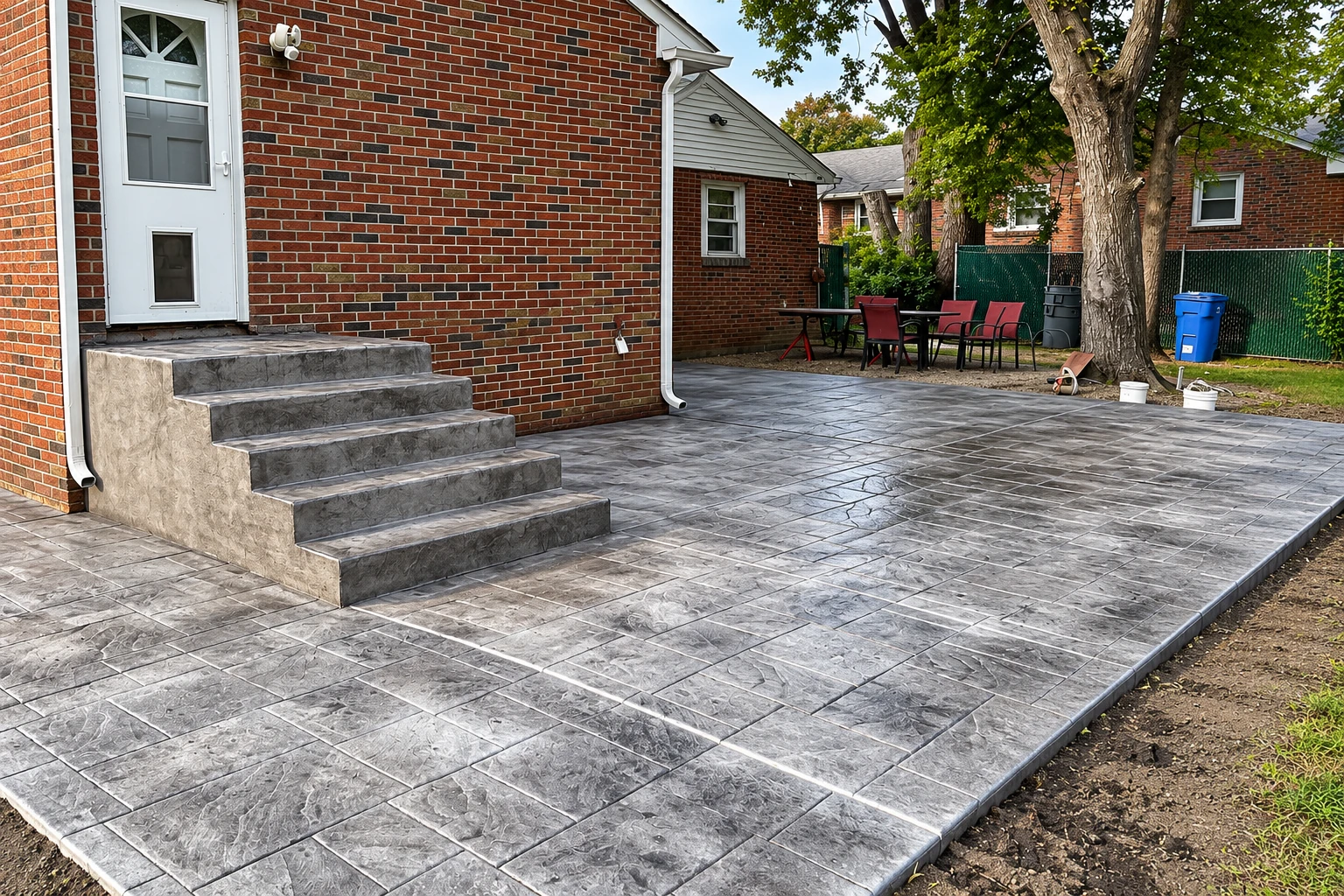
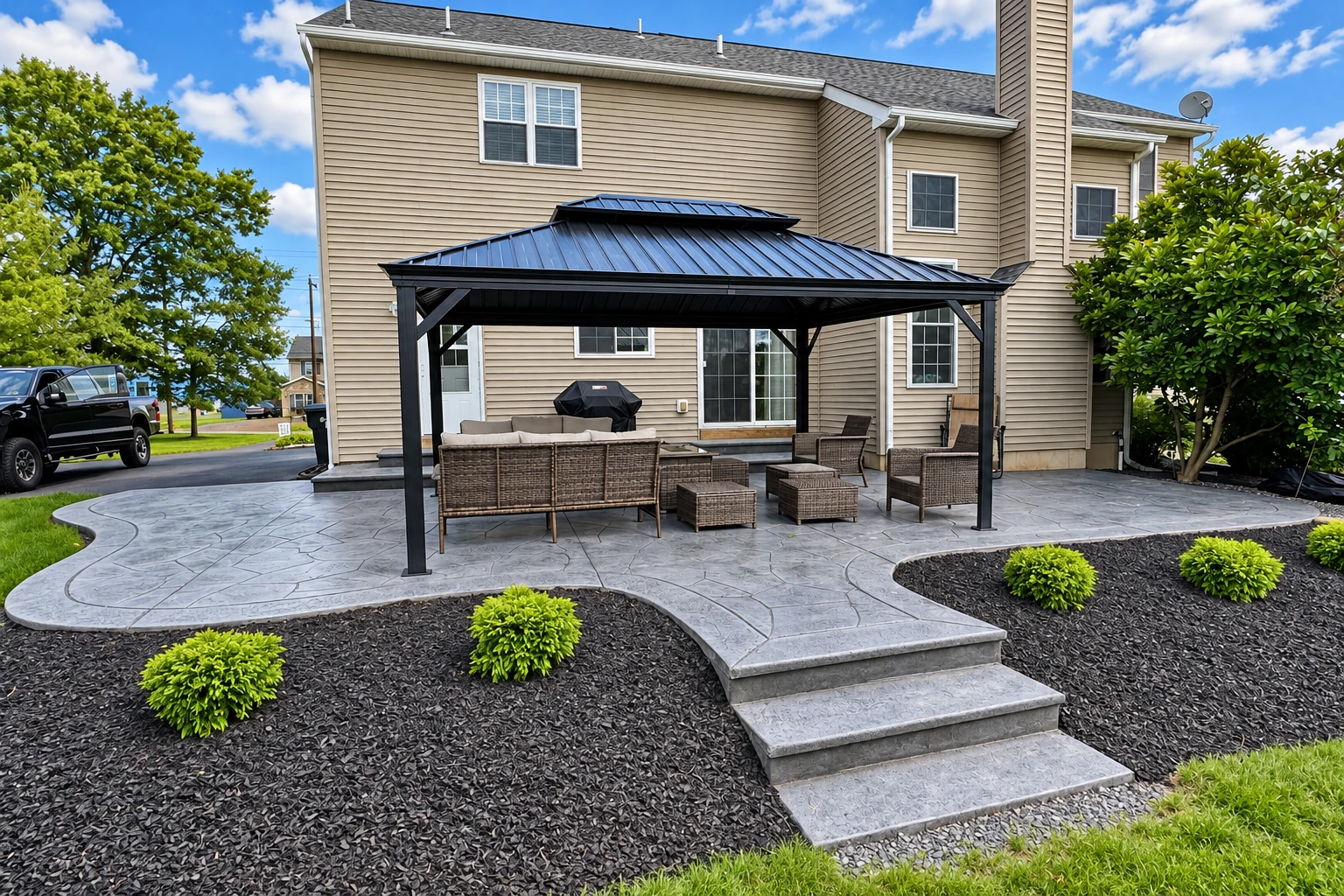
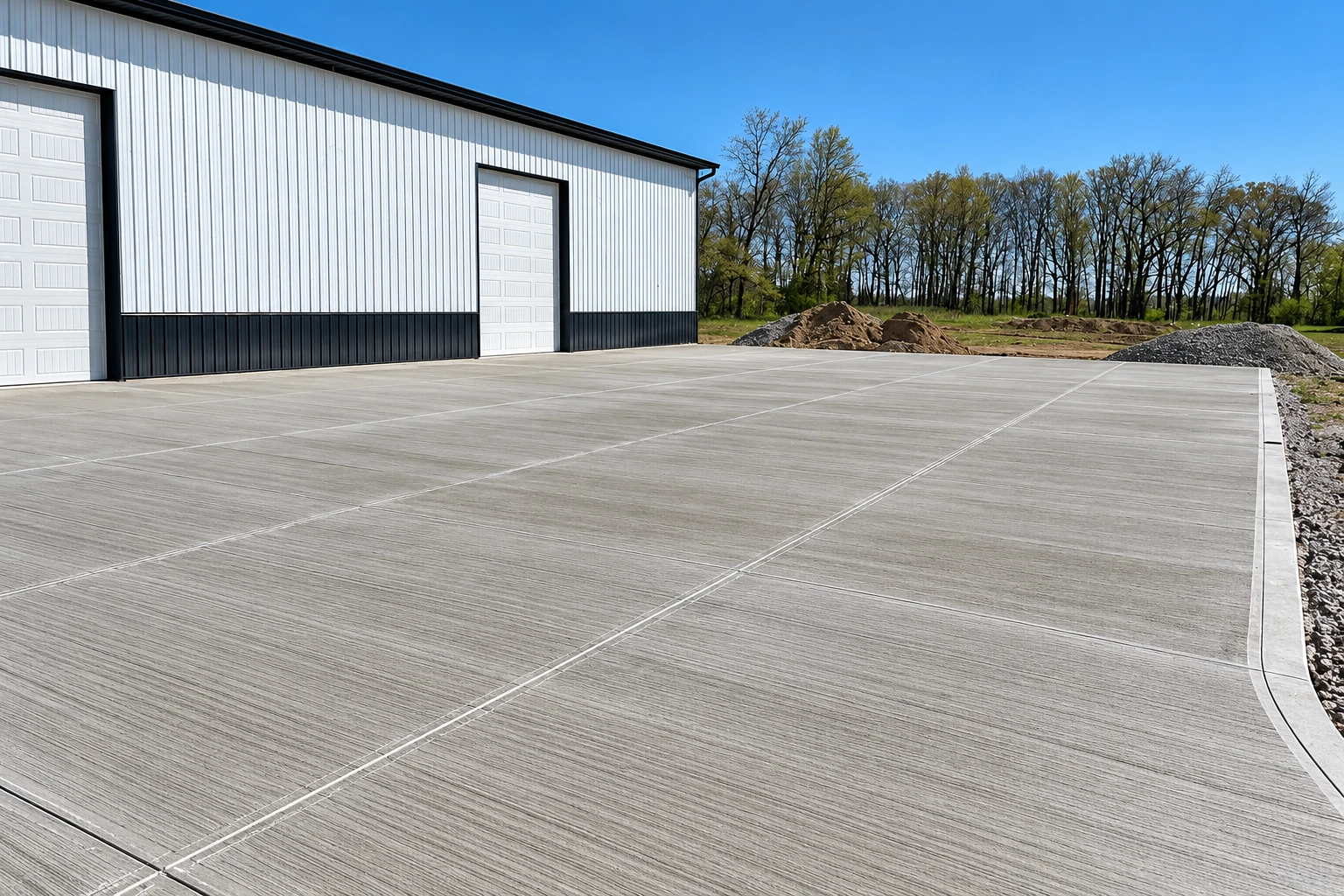
Building permits in Chelsea come from the Inspectional Services Department, which the city calls ISD, and when your job needs one we don't start until it's issued, so the permit can set your start date. Before you hire anyone, you can check whether they're registered with the state as a Home Improvement Contractor if your house falls under that rule, which we cover in the questions below, and whether they've filed a business certificate with the city clerk's office, which an older city help article says is where those filings go. We're licensed and insured, and before work starts we check with the city about the permits your job may need and help you get the paperwork in order. Past the permit, the price moves with how much old concrete and soft fill has to come out, how deep we build the base back, how far material travels from the street and the finish you pick. The schedule turns on the permit, the weather on pour day and curing, the wait while new concrete hardens enough to use. I'll give you the figure for your job when I come out to see it.
Most Chelsea streets are narrow and lined with parked cars, and a lot of houses sit close to the sidewalk, so the first thing we plan is where the concrete truck parks and how we get the pour from the truck to your forms. The city's online permit site takes Public Works applications such as street occupancy and street opening permits, so if the truck, a dumpster or the work itself needs the street, we look at that with the city before pour day. We take the same approach on the crowded streets of Winthrop and the other cities around Boston.