
Heartland Boston Concrete CompanyHeartland Boston Concrete CompanyRequest an estimate(857) 770-0722

Foundation installation in Boston MA - a dry basement and a house that stays put

Building new or replacing a foundation that's failed? We plan the drainage, the coating and the permit up front so your basement stays dry.

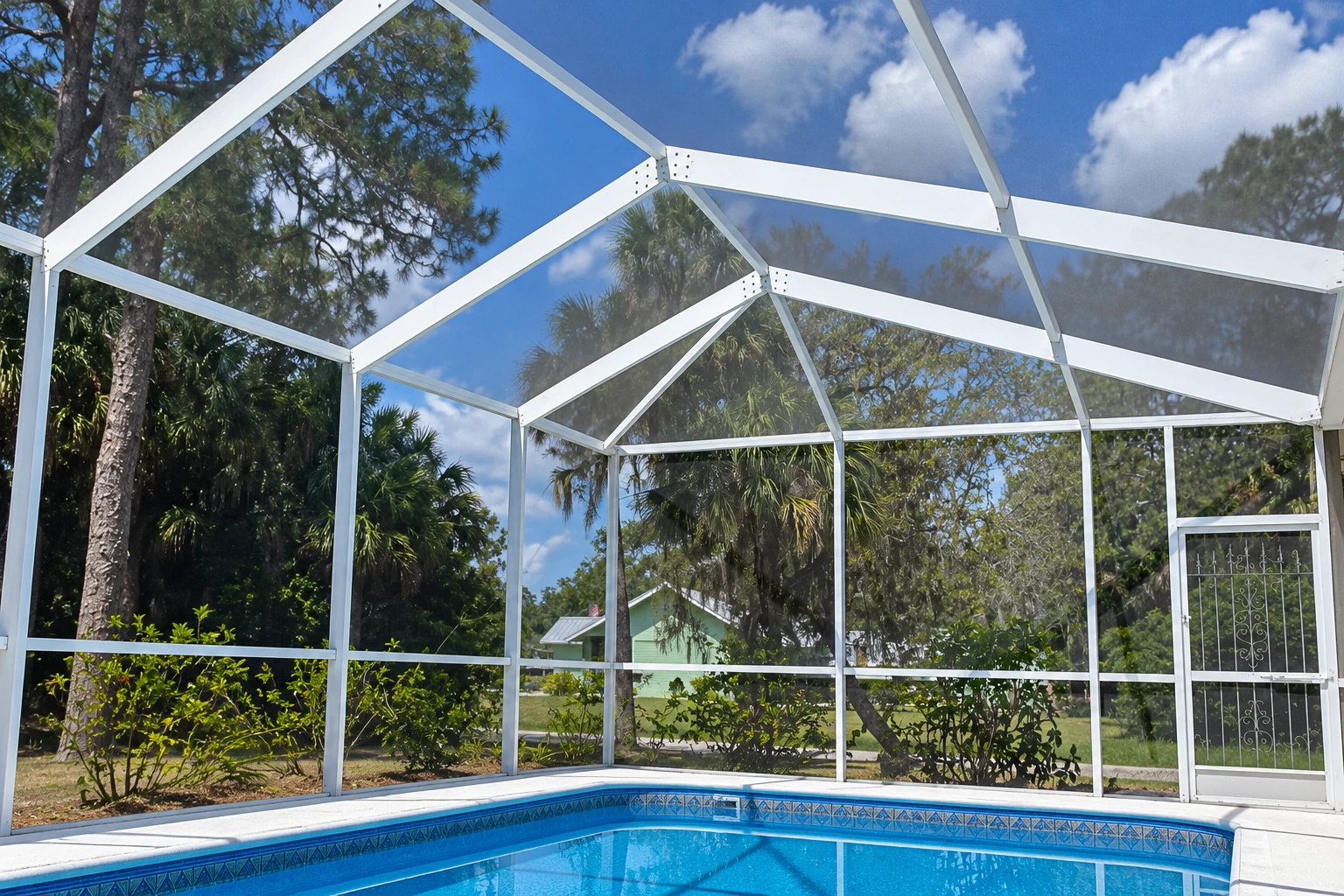
Blue swimming pool surrounded by a white screened enclosure and a light concrete deck.

What's involved in putting in a new foundation in Boston?

Foundation installation in Boston means we dig out and pour the concrete footings and walls your house or addition sits on, built to hold the building steady and keep the basement dry.

Most people who call us are planning an addition or a new house, or they have an old foundation that's past saving. If your house is standing and has only settled, foundation raising may be the job instead. The price moves with the size and depth of the dig, how wet the ground is, what drainage and coating that calls for, and how easy it is to get equipment onto the lot. The schedule turns mostly on the permit and the weather, because a pour in the colder months takes extra planning, and you'll get your own figure when I come out and see the lot.

How we handle foundation installation

We start by marking out the foundation and digging it out, then we build the forms and set the rebar, the steel inside that holds the concrete together, before the footings and walls are poured. Once the walls have cured, which is the wait while the concrete gains strength, we strip the forms and coat the outside of the wall. Keeping a basement dry starts outside that wall, so we plan the drain pipe along the footing and the backfill against the wall as part of the foundation from the first visit, not as something tacked on at the end. Those parts are buried on day one and they're the first thing a tight budget wants to trim, but they decide whether your basement stays dry, so that's not where I'd save you money. Before the pour I also go over with you which coating suits the ground on your lot, because damp ground and dry ground don't call for the same thing.

Every foundation sits on concrete footings, the wider base at the bottom of the wall that spreads the weight, and we pour those for additions, porches and other structures too. If you're a small property owner putting up a new building, we can also take on the concrete parking lot building around it, so one crew handles the ground from the bottom up.

A new home or an addition

This suits you if you're building on open ground or adding onto the house, because we can plan the dig, the drain pipe and the backfill together before anything's poured. It's also the easiest time to get drainage right, since the whole outside of the wall is open.

A new foundation under an existing house

This suits a house whose old foundation has failed and needs replacing rather than patching. It's slower, careful work because the house has to be held up while we build beneath it, so you'll want the plans and paperwork settled before we start.

Why Boston homeowners call Heartland Boston Concrete Company for foundations

I come out to see the job myself

I give the estimate in person, standing on your lot, so the person who prices the dig is the one who'll be running it. Our own crew does the work with me there running the job, so nothing gets handed off to people you've never met.

In business since 2017

We've been at this since 2017, nine years now, and I learned the trade beside older finishers who cared more about the prep than the finish. That's still how we work, so the drain pipe and the backfill get the same attention as the walls.

Licensed and insured for your job

We're licensed and insured. On a foundation that matters more than on most jobs, because we're digging close to your house and often close to your neighbors' too, so it's fair to ask us about it when I come out.

You know what you're paying for first

I'd rather explain a step twice than leave you wondering, so before we start you'll know what's in the price, from the dig to the backfill. Satisfaction guaranteed. Call (857) 770-0722 or use the form to set up a visit.

Get a foundation plan and price for your Boston lot

We reply within one business day. The estimate is free, done on site and comes with no obligation, and I come out myself to look at the lot and go over the drainage, the coating and the permit with you. Have your address, the type of home and whether you live in it ready, since that tells us which rules apply.

Location
Boston, MA 02118
Hours
Mon–Fri: 6 AM–11 PM, Sat–Sun: 7 AM–11 PM

Foundation installation permits and ground in Boston

In Boston, Inspectional Services issues the permit to build, change or repair a foundation, and it starts with a long-form permit application. You can begin it online, but the applicant still has to come into the city's office in person. If you own and live in a one- or two-family home and you're doing the work yourself, you can apply for that permit yourself, while a unit owner in a building with three or more homes has to hire a licensed contractor. Work that starts before the permit is issued can cost double the permit fee or bring a building code violation, which is why we check with the city about the permits your job needs before work starts and help you get the paperwork in order.

The city also describes a district it calls the GCOD, mapped over filled land where many buildings rest on wooden piles, and it says certain development projects there must add groundwater recharge systems, which send water into the ground instead of onto the streets. If you're not sure whether your lot sits in it, ask us and we'll look into it with you. A lot of Boston lots are tight, with houses close on both sides, so how we get equipment in and where the dirt goes is part of the plan from the start. We're based in Boston and do the same work across the cities around it, including Cambridge and Somerville.

Questions Boston homeowners ask about new foundations

How much does foundation installation cost in Boston?

We give you a price after I've seen the lot and your plans, because no two foundation jobs here dig the same. Wet ground that calls for a heavier coating and more drainage raises it, and so does a tight lot where equipment is hard to get in or a pour that has to be protected from the cold. A dry, open lot with plans already drawn usually keeps it lower.

How do I plan a new foundation in Boston before work starts?

Start with the plans, because the city's long-form permit asks for design plans stamped by a Massachusetts registered engineer or architect. The application also needs a certified plot plan showing your property lines and where the structure sits on the lot. With those in hand, we can work out the drainage, the coating and the timing of the pour together.

Who has to oversee foundation work on my home in Massachusetts?

On a one- or two-family home, the state requires a licensed construction supervisor or a registered design professional to oversee construction, though its rules include an exemption for some homeowners. It's fair to ask who on the job holds that license. If the work is on an existing home you own and live in, with one to four units, the contractor also has to be registered as a Home Improvement Contractor, but that law doesn't cover new construction or investment, vacation or second homes.

What is the best way to keep water out of a new basement in Boston?

Give water an easy way down and away from the wall, because cold-climate building guidance calls two things critical against frost heave, the ground pushing up as it freezes, and those are free-draining soil or a drainage mat against the outside of the wall and a footing drain pipe. If you're comparing bids, check that each plan includes both. The same guidance says a thin asphalt coating cuts how much moisture the wall soaks up from damp soil but won't stop water pushing against it, so owners on wet soil can plan for a thick rubberized asphalt coating, which doesn't turn brittle in the cold.

Can you pour a concrete foundation in cold weather in Boston?

Yes, as long as there's a plan to protect the fresh concrete. Concrete guidance counts it as cold weather when the air drops to 40°F, or is expected to drop below it, during the time new concrete has to be protected, and a pour in the colder months needs a plan to keep it protected through that stretch. We look at the timing with you so the forecast is part of the schedule.

Call (857) 770-0722